
Winter Fueling Tips for Cyclists: 5 Strategies to Keep You Energized All Season Long
Winter riding brings unique challenges — shorter days, colder temps, and different energy demands. But with the right fueling and training strategy, you can maintain fitness, stay strong, and make the most of every ride. Here’s how:
In winter, many cyclists naturally ride less volume due to shorter days and colder weather, which can lower overall carbohydrate needs. In winter, I recommend a diet that focuses on whole foods, including whole grains, fiber-rich legumes, vegetables, fruits, and adequate protein to support recovery and immune health and keep you full. For athletes with reduced training volume, slightly increasing fats and protein while matching carbohydrates to harder sessions can work well. However, high-intensity workouts still require sufficient carbohydrate year-round.
1. Carbs Still Rule — Even in Cold Weather
When it comes to fueling winter rides, carbs are still king. In cold conditions, the body prioritizes carbohydrates and stored glycogen. Even if the ride intensity is lower, carbohydrates remain the primary fuel source.
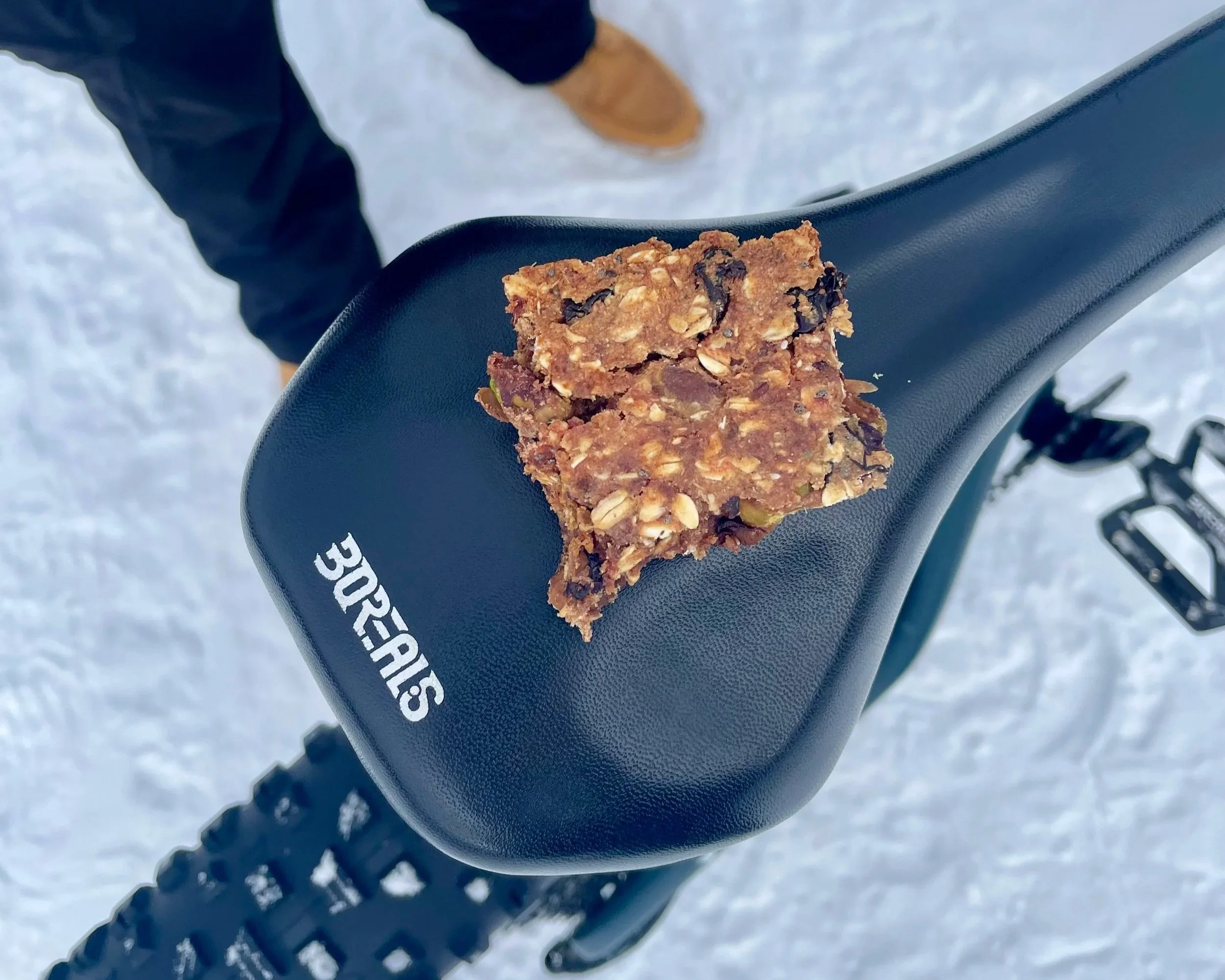
When choosing ride fuel in the cold, look for carbohydrate-rich snacks that include a small amount of protein and a touch of fat for staying power, especially during lower-intensity rides. Ideally, these foods should also have some moisture, which makes them easier to eat, digest, and absorb in cold temperatures. Soft foods like medjool dates, oat/fig bars, soft cookies, rice cakes, and mini sandwiches work well, while hard or dense foods are more likely to freeze and become difficult to chew.
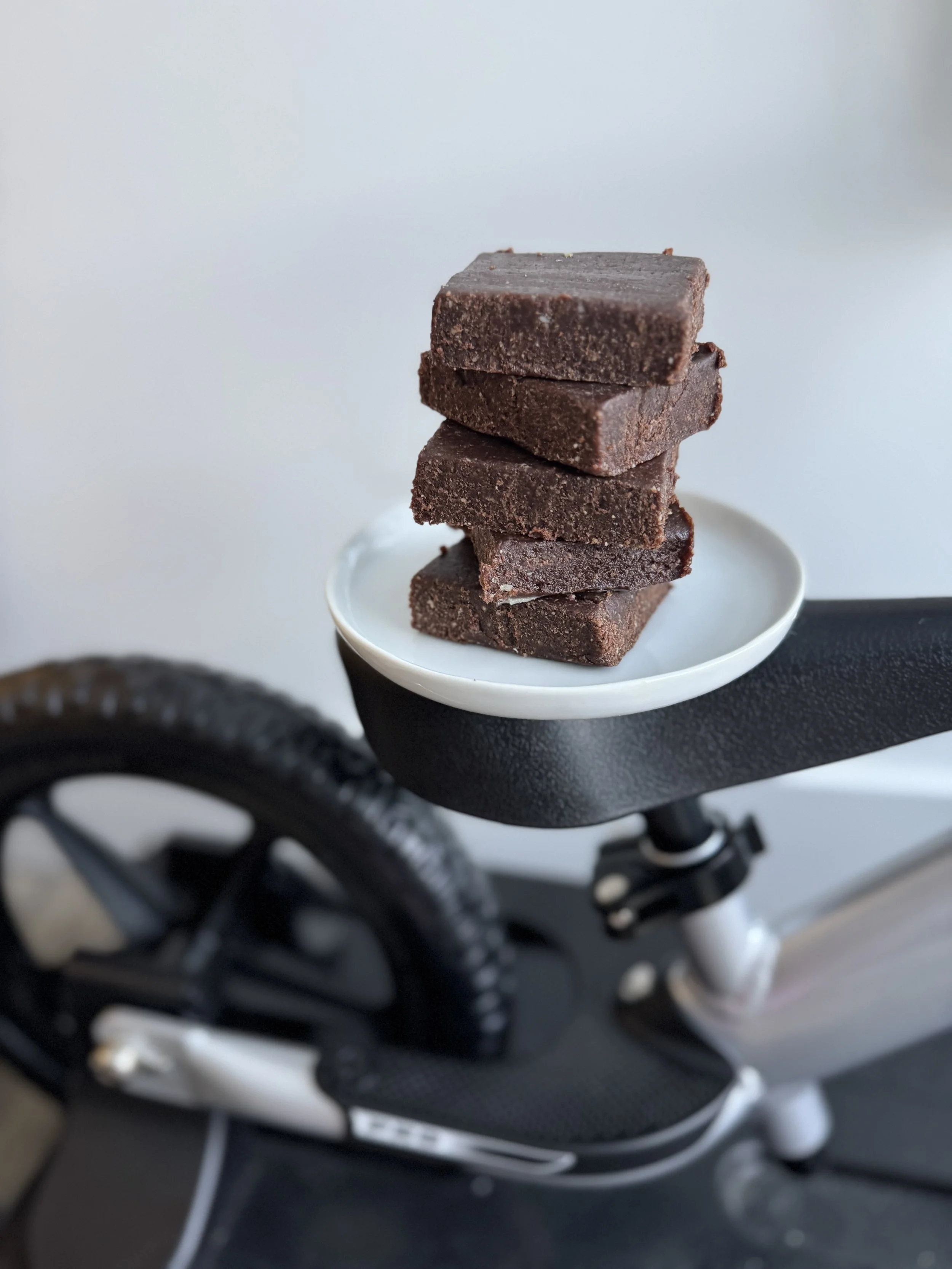
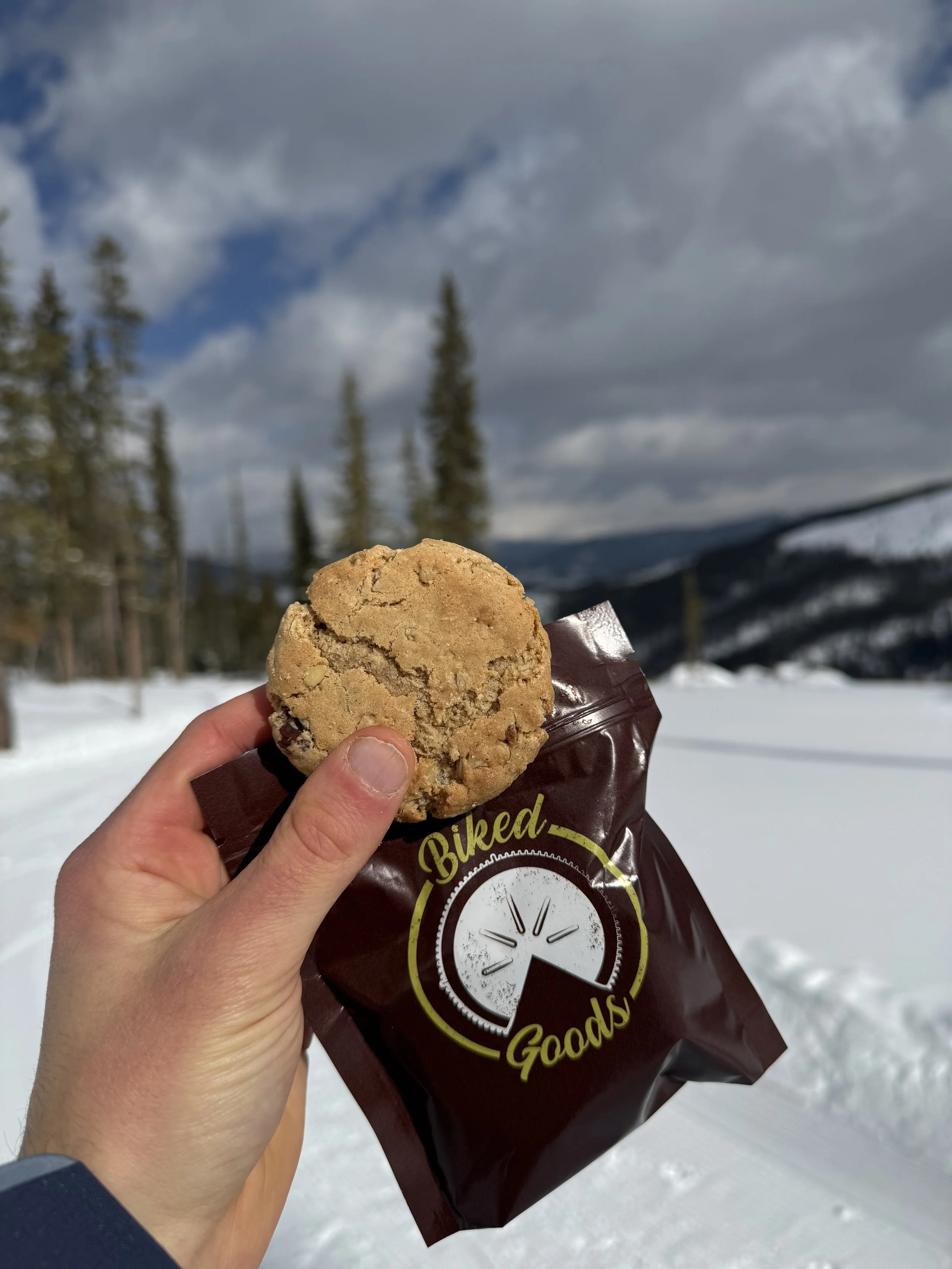
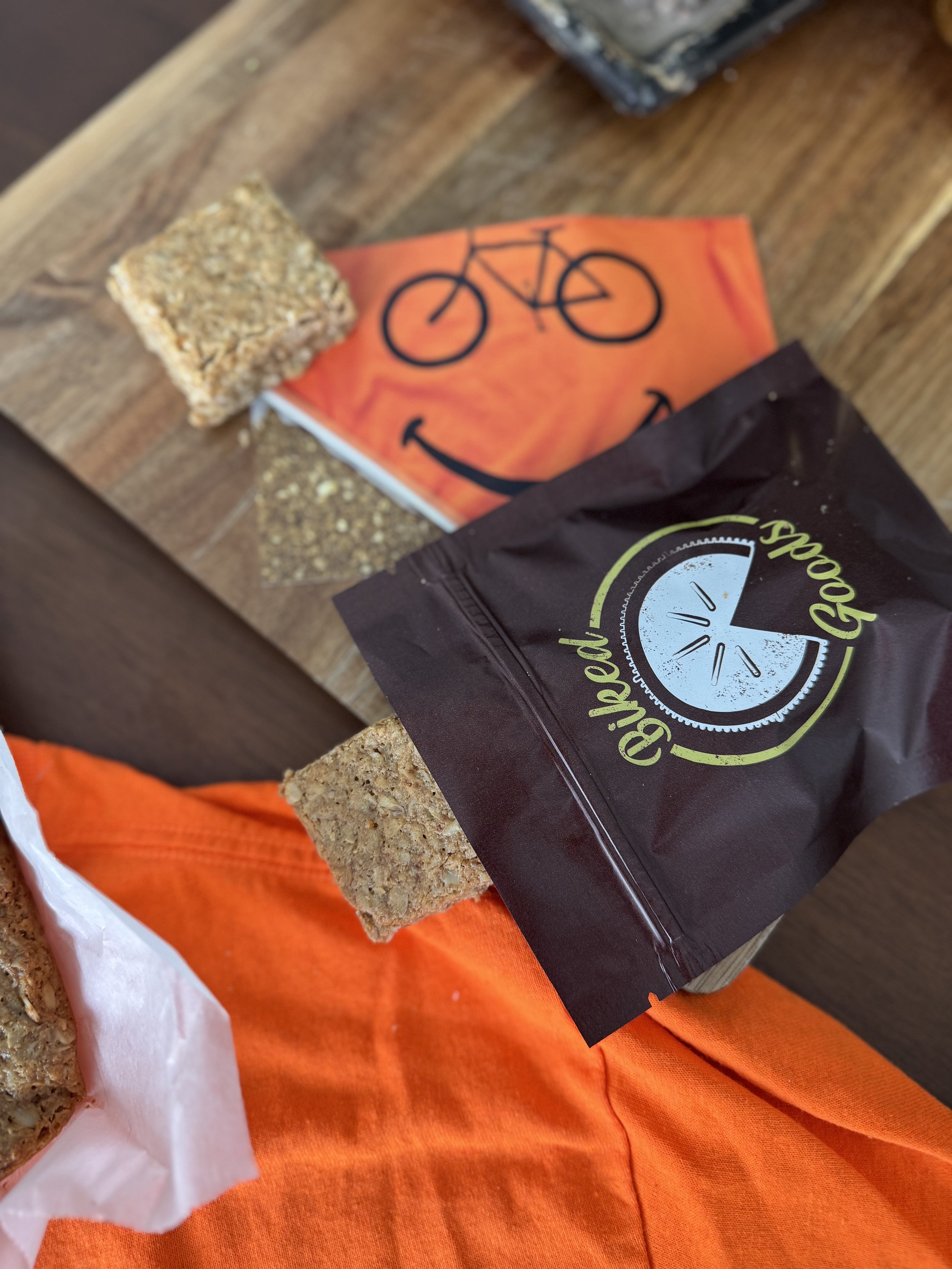
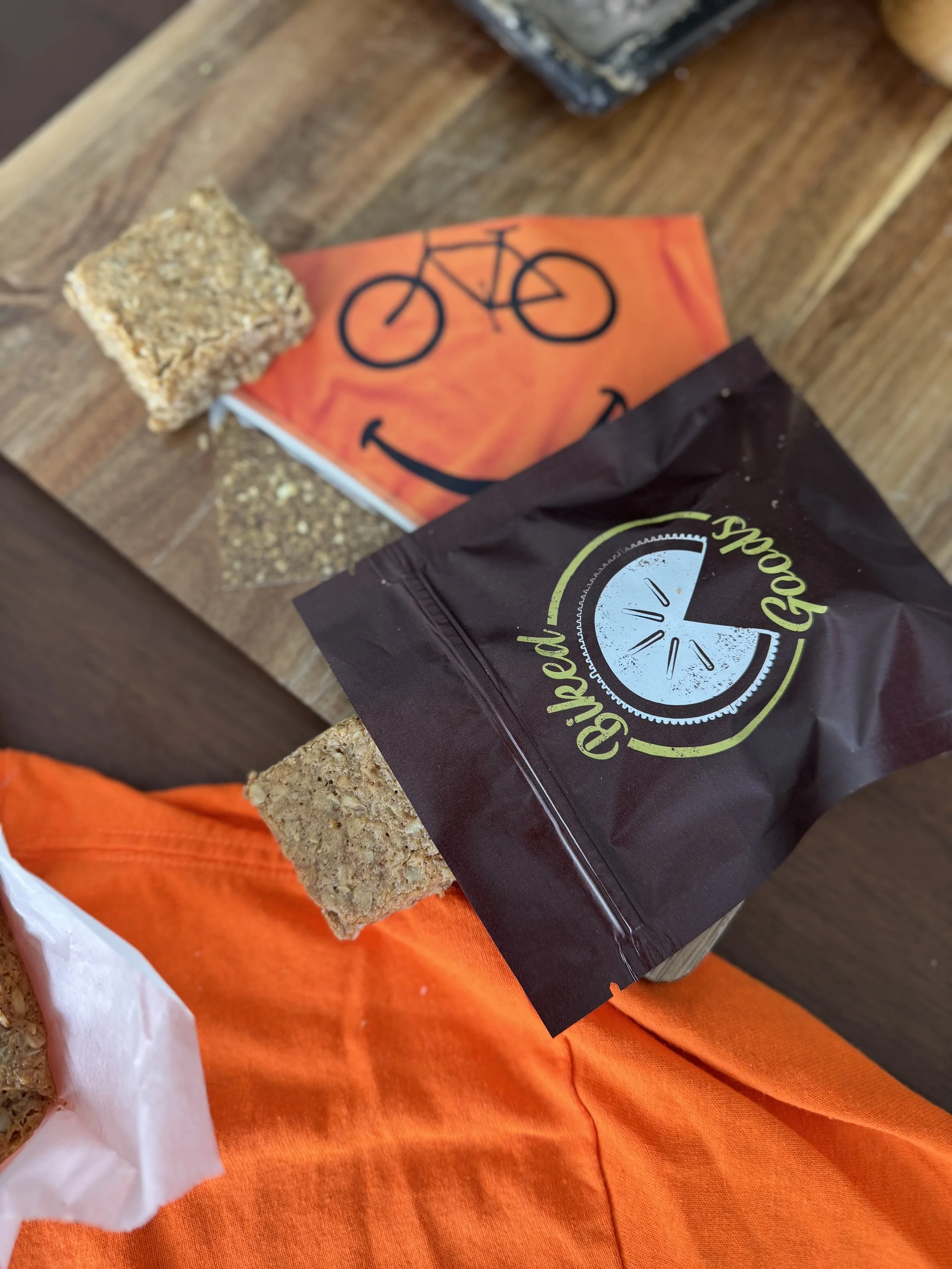
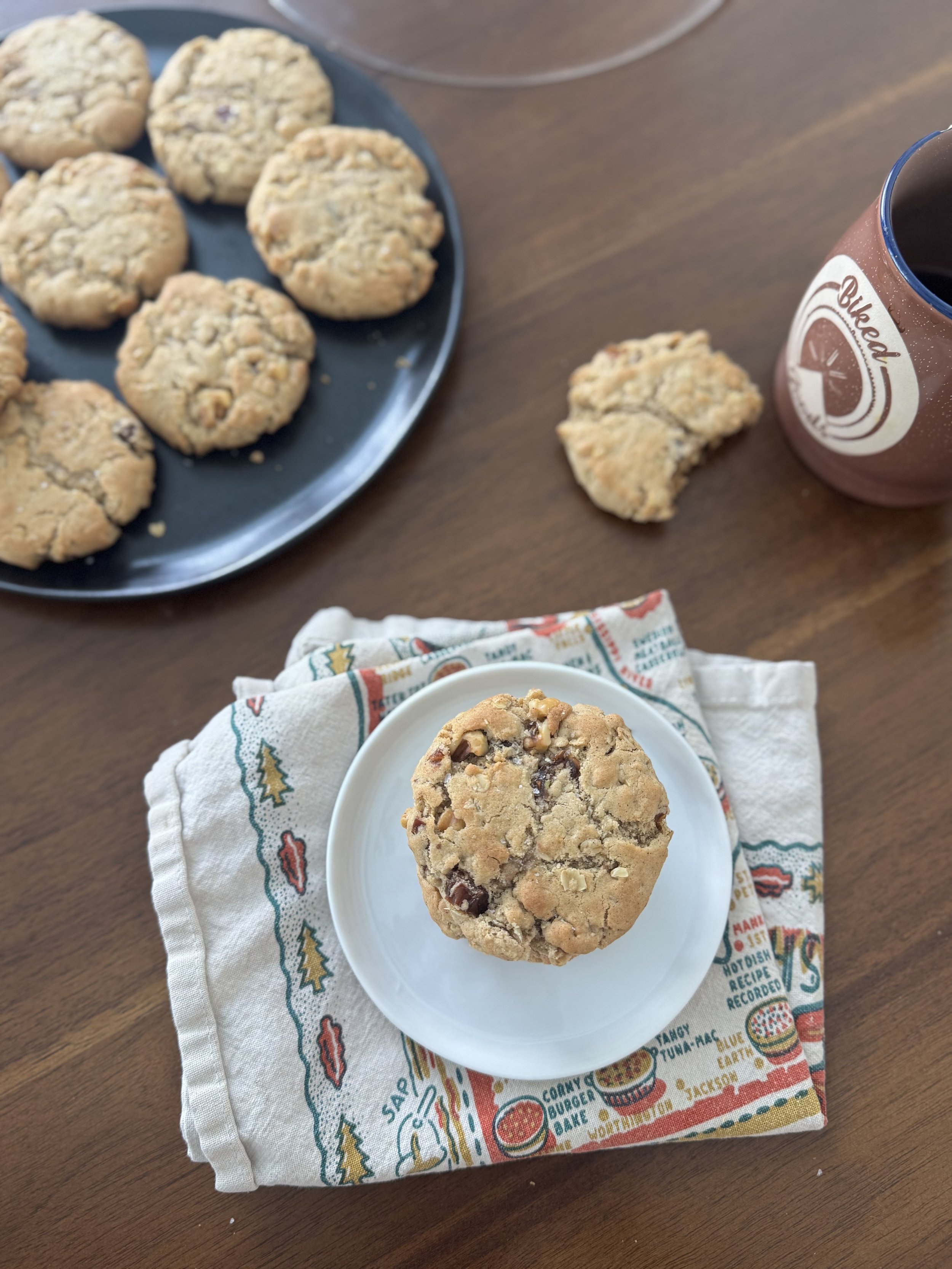
Some cold-weather–ready portable snacks featured in the Bakin’ Biker ‘26 Cookbook include Happy Biker Bars, Oatmeal Date Cookies, and Buzzin’ Chocolate Date Energy Bars.
Winter fueling tips:
Pre-ride: Easy slow-release carbs with a bit of protein (porridge with fruit, toast + nut butter).
During rides: Aim to take in 30–60g of carbs per hour (gels, chews, soft bars or rice cakes).Post-ride: Refuel within ~30-45 min with carbs + protein to restore glycogen and support recovery.
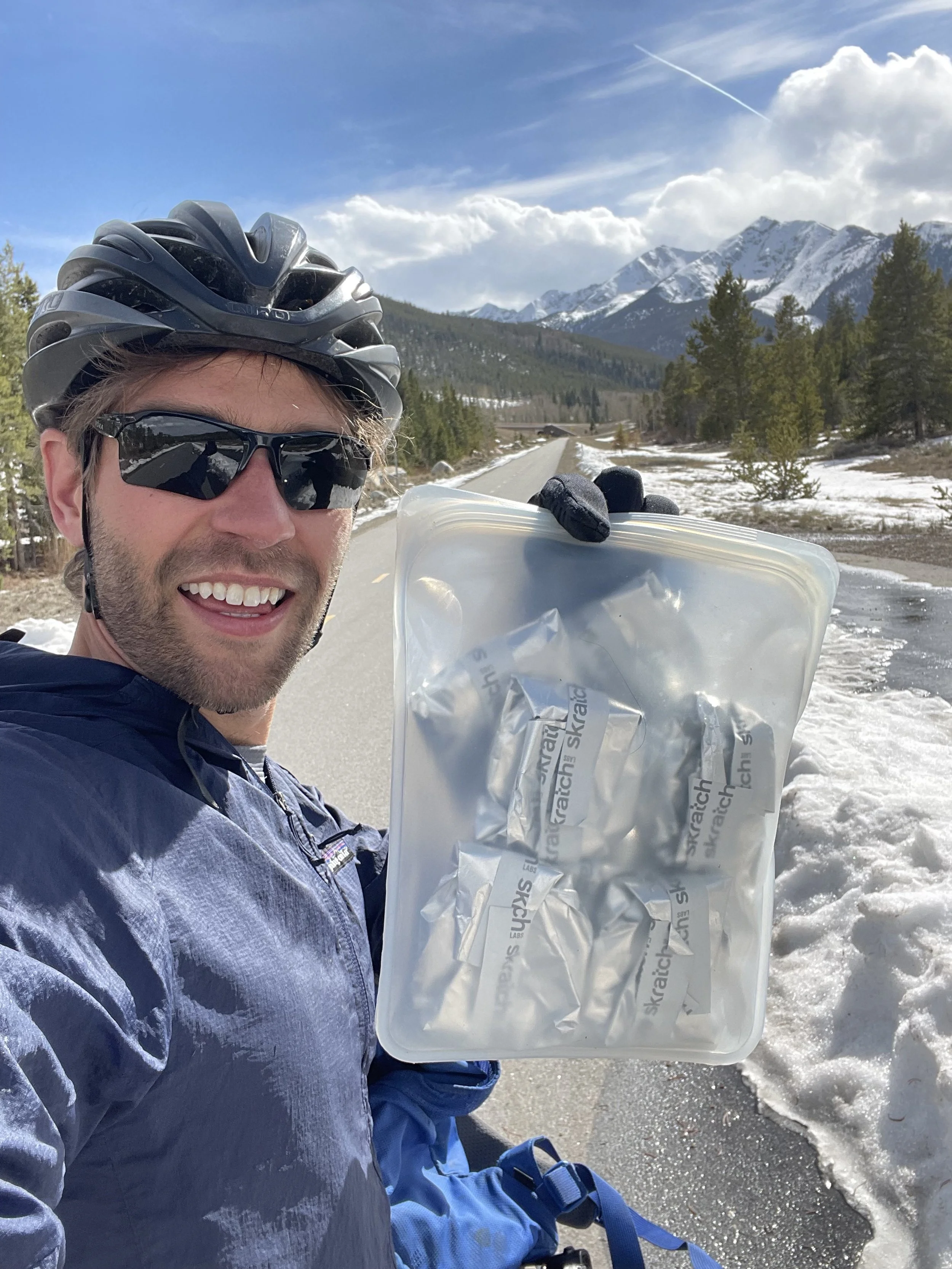
💡 Pro tip: “Store snacks in inside jacket pockets close to your body heat to keep them soft and easy to eat.”
2. Hydration Isn’t Optional — It’s Essential
In winter, thirst decreases even though your body still loses fluids through sweat and breathing. That makes hydration even more challenging, yet crucial.
Hydration is key to fueling well, especially in the winter. Without adequate hydration, we can’t properly digest our fuel, regulate body temperature, or keep our organs warm, which can lead to performance issues. Because we don’t feel as thirsty in the cold, it’s easy to underdrink.
Warm fluids can help—Skratch Apple Cider or Untapped Ginger Mapleaid is a favorite, or you can warm water at home, add a splash of fruit juice or maple syrup, and a pinch of sea salt, and store it in an insulated bottle.
Cold-Weather DIY Hydration Drink
(Per 16–20 oz bottle)
Option 1: Maple Syrup–Based
16–20 oz warm water
1-2 Tbsp maple syrup (-13–26 g carbohydrate)
⅛ tsp fine sea salt (-250–300 mg sodium)
Option 2: Fruit Juice–Based
16-20 oz warm water
3-4 Tbsp fruit juice (≈15-30 g carbohydrate, depending on juice)
⅛ tsp fine sea salt (≈250–300 mg sodium)
Baker’s Tip: I love using Big B’s Apple Cider for a warm winter sports drink!
Mix well and store in an insulated bottle to keep warm. This provides carbohydrates for energy, sodium to support hydration and fluid retention, and warmth to encourage consistent drinking in cold conditions. For longer rides or higher-intensity efforts, increase carbohydrate intake by adding an additional tablespoon of maple syrup or fruit juice.
3. Smart Pre- and Post-Ride Nutrition
Winter riding places extra demands on your body. Cold temps increase carbohydrate use, suppress thirst cues, and can slow recovery if refueling gets pushed aside. Thoughtful pre- and post-ride nutrition keeps energy steady, supports immune health, and helps you bounce back faster.
Pre-Ride Nutrition: Fuel + Warmth = Better Rides
Your goal before a winter ride is to top off glycogen, stay warm, and avoid digestive stress.
1–3 hours before riding:
Focus on easily digestible carbohydrates with a little protein or fat for satiety.
Warm foods help raise core temperature and feel more appealing on cold mornings.
Winter-friendly pre-ride breakfast ideas:
Oatmeal with dates, maple syrup, cinnamon, and nut butter
Toast with jam or honey + yogurt on the side
Warm rice pudding or overnight oats gently reheated
Fried rice with eggs
Hydration before you roll out matters too:
Start the day hydrated with tea, warm water, or a lightly salted electrolyte drink
Cold blunts thirst, but dehydration still sneaks up quickly
💡 Pro Tip: If you’re riding early or training indoors, a small carb snack 15-30 minutes pre-ride (half a bar, dates, banana) can help wake up the legs without weighing you down.
Post-Ride
Cold rides can leave you more depleted than expected. Refueling promptly helps restore energy, protect immune function, and reduce lingering fatigue.
Within 45 minutes post-ride:
Aim for carbohydrates + protein
Warm foods and drinks help replenish glycogen and bring body temperature back up
What to prioritize:
Carbs: replenish what you used (grains, fruit, starchy veg)
Protein: supports muscle repair (yogurt, eggs, legumes, lean protein)
Fluids: rehydrate — even if you don’t feel thirsty
After your ride, refuel immediately—ideally within 45 minutes—to take advantage of optimal glycogen replenishment. Focus on warm, simple comfort foods that combine carbohydrates and protein.
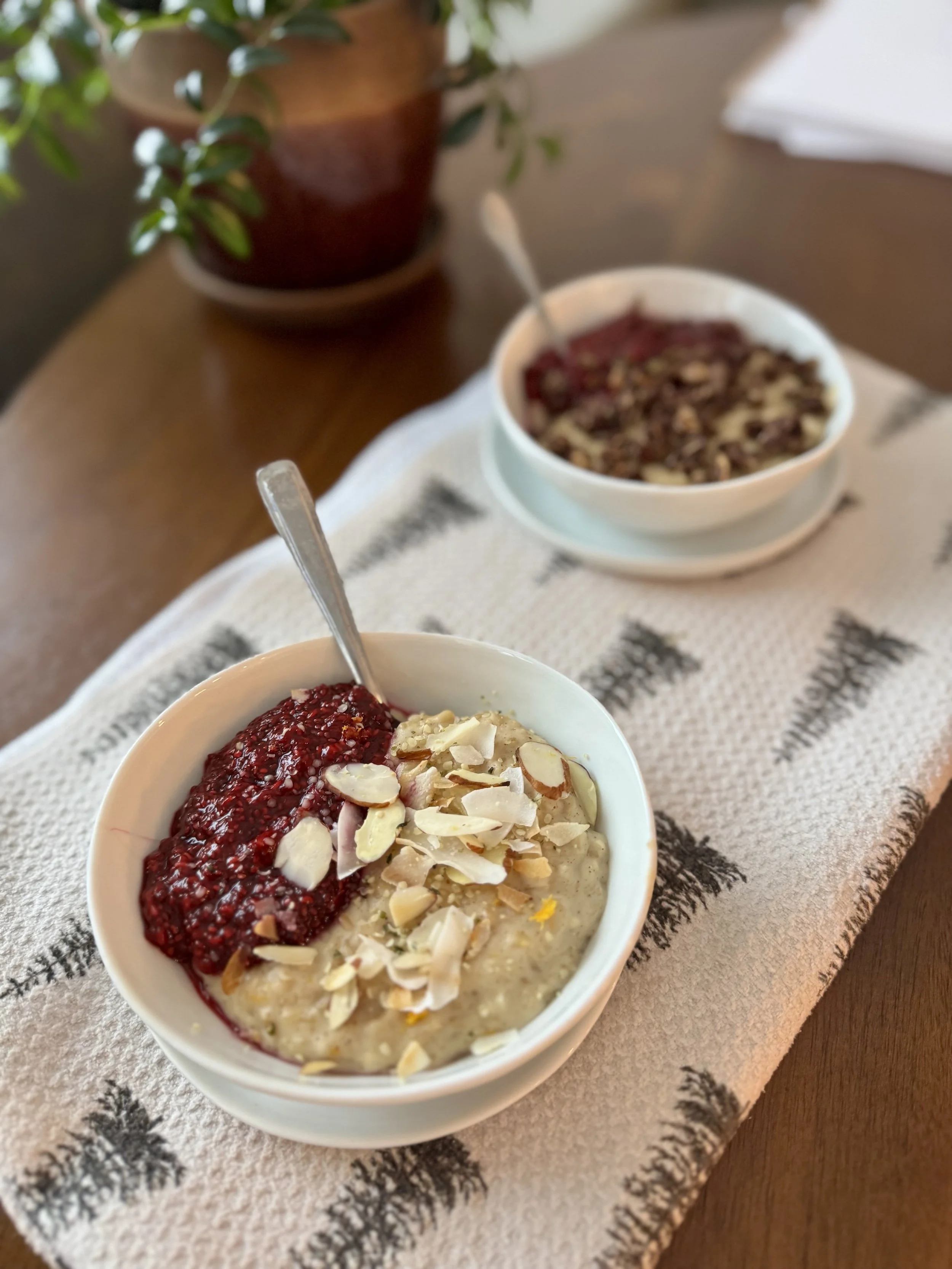
Using a rice or grain cooker makes it easy to have warm porridge, quinoa, or other complex carbs ready to eat as soon as your home.
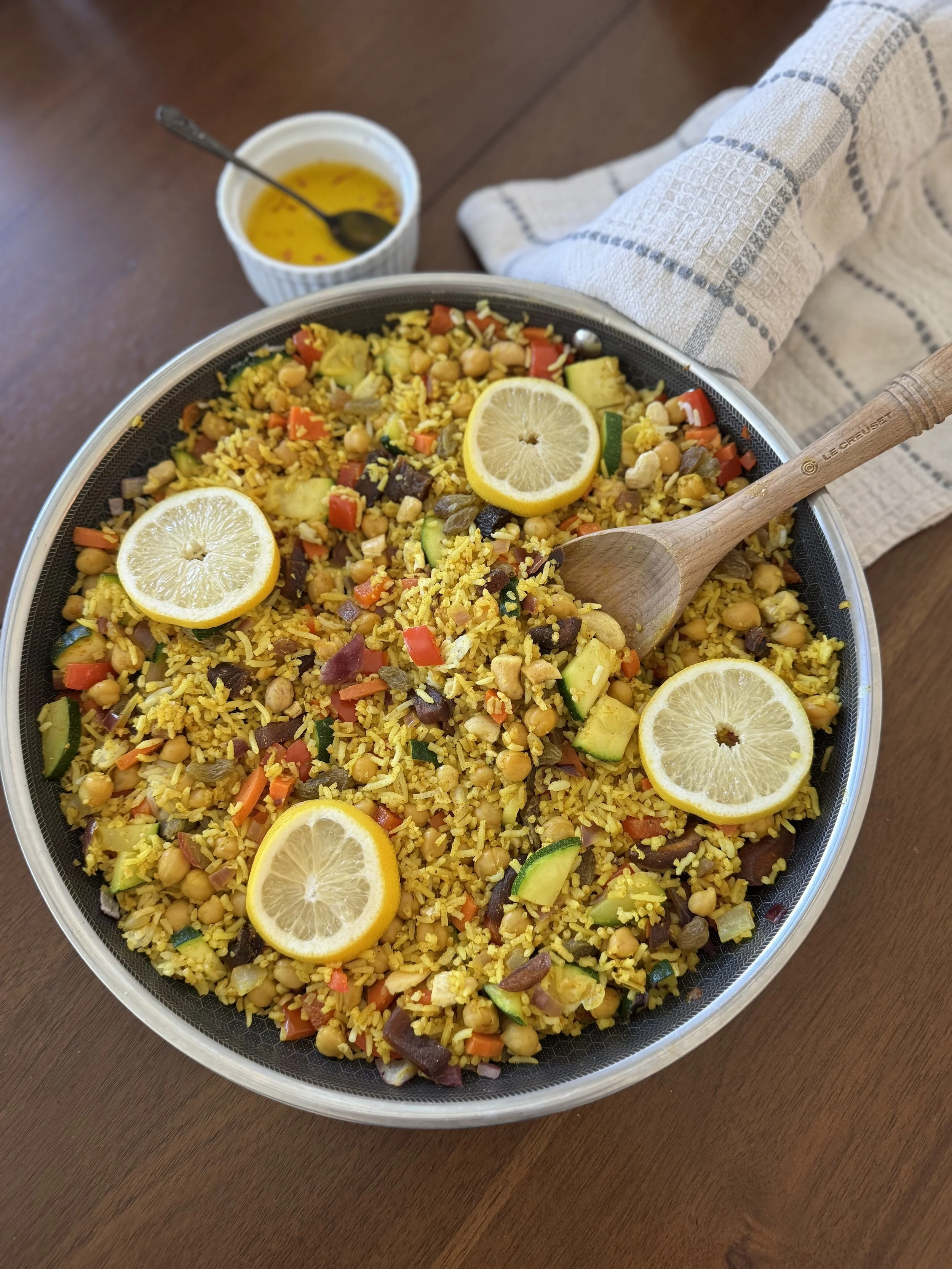
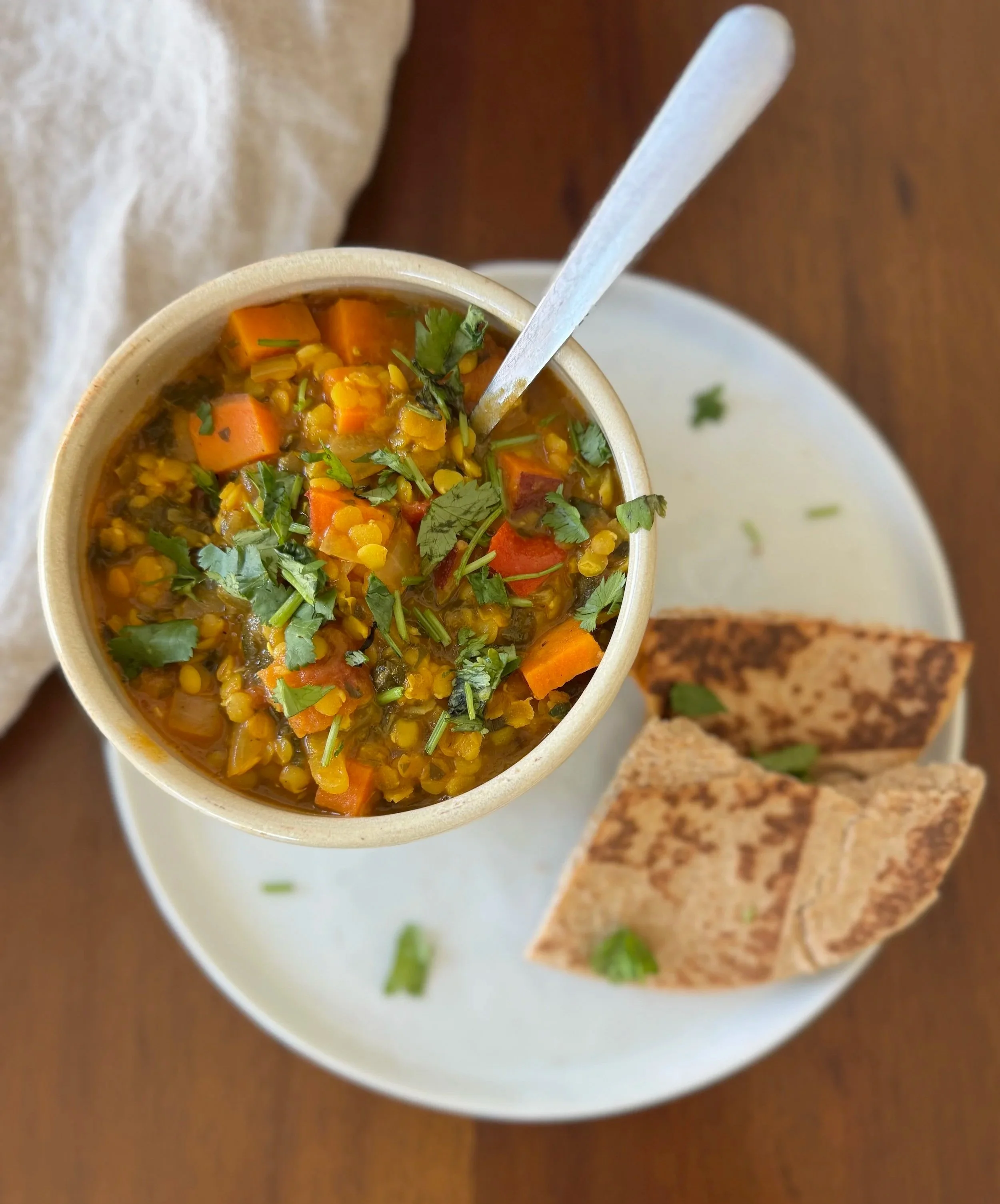
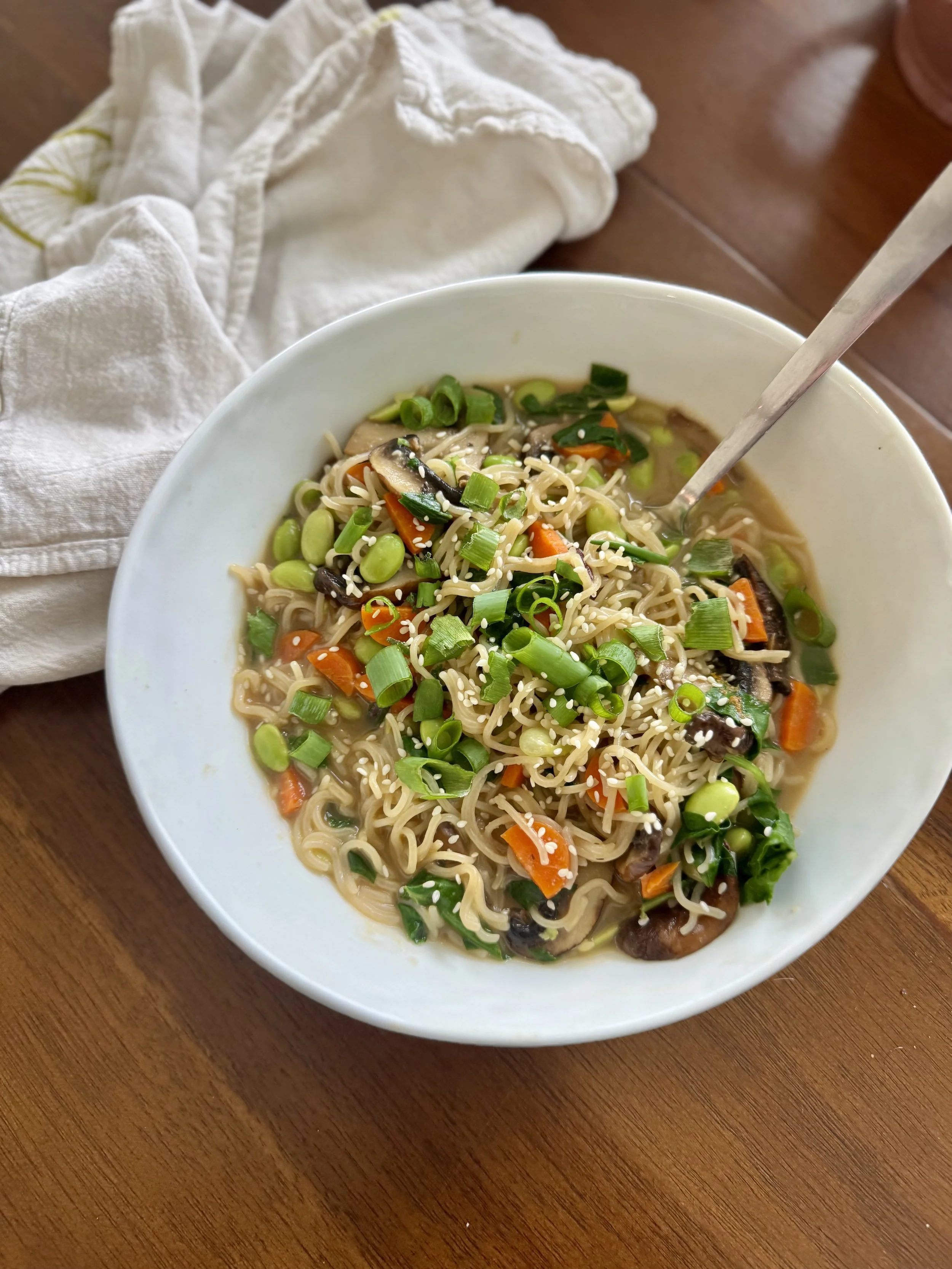
Curries with lentils or chickpeas and naan really hit the spot, and you can never go wrong with a bowl of soup and toasty bread. I have two soup recipes in the latest cookbook—Very Veggie Chili and Creamy Broccoli Potato and White Bean Soup—that are perfect for post-ride refueling.
4. Support Immune Health Through Real Food
Winter also means cold and flu season — and cyclists can be vulnerable during heavy training months.
Eat to support immunity:
Load up on antioxidant-rich fruits and vegetables (berries, citrus, greens).
Include zinc and other micronutrients (pumpkin seeds, legumes, whole grains)
Maintain a nutrient-rich diet with whole grains, legumes, fruits, and veggies — not just calories.
Gut health matters — probiotics and prebiotics support digestion, immunity, and winter resilience.
Probiotics: yogurt, kefir, kimchi, sauerkraut, miso
Prebiotics: oats, bananas, garlic, onions, beans
💡 Winter tip: Pair probiotics + prebiotics together (like yogurt with oats and fruit, or miso soup with grains and veggies) to maximize gut health benefits and overall resilience.
5. Winter Recipes That Work
Here are some great winter fueling ideas and recipes that hit all the right notes:
Warm, hearty breakfasts — oatmeal with fruit and nuts. Warm porridge with chia jam.
Portable soft snacks — dates, fig bars, rice cakes, mini sandwiches
Post-ride warm meals — soups, curries, fried rice and eggs, stews with grains, and legumes
Comfort drinks — hot cocoa with natural sugars + protein after cold rides. Warm tea and spices.
Sweet and Savory Oatmeal with Caramelized Dates
Servings 2 | 5 minutes prep, 10-15 minutes to cook
Oatmeal
1½ cups unsweetened almond milk
1 cup rolled oats
½ tsp ground cinnamon
Pinch of sea salt
2 Tbsp Greek yogurt
1-2 Tbsp maple syrup, plus more for serving
1 tsp vanilla extract
Walnuts or hemp seeds, olive oil, and a pinch of flaky sea salt for topping
Caramelized Dates
2 tsp unsalted butter or olive oil
6 pitted and chopped Medjool dates
Dash of ground cinnamon

Directions
In a medium pot, combine the almond milk, rolled oats, cinnamon, and a pinch of salt. Heat over medium-high until it starts to boil, then reduce the heat to low and simmer until the oats are tender and creamy.
Remove from heat, stir in the Greek yogurt, maple syrup, and vanilla, then cover and let the oatmeal rest for 5-10 minutes to finish thickening and become extra creamy.
While the oatmeal rests, heat the butter or olive oil in a medium skillet over medium-low heat. Add the chopped dates and a dash of cinnamon. Cook, stirring frequently, for about 4-5 minutes until the dates soften and caramelize.
Spoon the oatmeal into bowls. Top with the caramelized dates, a drizzle of olive oil and maple syrup, walnuts or hemp seeds, and a pinch of flaky sea salt. Finish with an extra splash of milk and a sprinkle of cinnamon if desired.
In a medium pot, combine almond milk, oats, cinnamon, and a pinch of salt. Bring to a boil, then reduce the heat and simmer until tender and creamy. Remove from heat, stir in the Greek yogurt, maple syrup, and vanilla, then cover and let it rest for 5-10 minutes to thicken.
Meanwhile, heat butter or olive oil in a skillet over medium-low heat. Add chopped dates and cinnamon; cook 4-5 minutes, stirring often, until softened and caramelized.
Spoon oatmeal into bowls and top with caramelized dates, a drizzle of olive oil and maple syrup, walnuts or hemp seeds, and flaky sea salt. Add an extra splash of milk or a sprinkle of cinnamon if desired.
One-Pot Blueberry and Banana Coconut Quinoa Porridge
Servings: 3–4
Prep Time: 5 minutes | Cook Time: 15–17 minutes
Ingredients
1 cup uncooked quinoa
1 (13.5-oz) can full-fat coconut milk
½ cup water or unsweetened almond milk
1 tsp vanilla extract
½ tsp ground cinnamon
Pinch of sea salt
1 pint blueberries (about 8 oz)
1 banana, peeled and sliced
1 Tbsp coconut butter
1-2 Tbsp pepitas
1 Tbsp sunflower seeds
1 Tbsp chia seeds
2-3 tsp honey or maple syrup
Almond milk, for serving
Unsweetened shredded coconut, for topping

Directions
Add quinoa, coconut milk, water, vanilla extract, cinnamon, and a pinch of sea salt to a pot over high heat. Bring to a boil, then reduce the heat to low, cover, and simmer for 10–12 minutes, or until most of the liquid is absorbed and the quinoa is tender.
Stir in the blueberries, banana slices, and coconut butter. Simmer for 5 more minutes, until the berries begin to burst and release their juices.
Remove from heat and stir in pepitas, sunflower seeds, chia seeds, and agave.
To serve, spoon the warm quinoa into bowls. Add almond milk if desired and top with shredded coconut, a sprinkle of coconut sugar, and extra nuts or seeds.
Happy Biker Bars
Makes: 20 bars
Prep time: 10 minutes | Bake time: 20 minutes
Ingredients
3 cups rolled oats
1 cup oat flour
½ tsp fine sea salt
½ tsp ground cinnamon
⅓ cup unsalted butter
⅔ cup honey
¾ cup cashew butter (make it homemade!)
½ cup coconut sugar
1 tsp vanilla extract
Preheat the oven to 350°F. Line a 9x13–inch ceramic baking dish with parchment paper, letting the paper hang over the edges. (make sure to use a ceramic dish!)
In a large bowl, combine the oats, oat flour, cinnamon, and sea salt.
Add the butter, honey, cashew butter, coconut sugar, and vanilla extract to a saucepan over low–medium heat.
Stir occasionally until melted and fully combined, then pour into the dry ingredients and mix well.
Transfer the batter to the baking dish and flatten the surface with a spatula.
Bake for 20 minutes, until golden on top and slightly soft to the touch.
Let the mixture cool for 20 minutes, then slice it into squares and store in an airtight container.
Nutrition (per bar):
220 calories | 31g carbs | 9g fat | 6g protein
Oatmeal Date Cookies
Makes: 14 cookies
Prep: 10 minutes + chilling | Bake: 9-12 minutes
Ingredients
1½ cups all-purpose flour
¾ -1 cup sprouted rolled oats
½ tsp baking powder
½ tsp baking soda
1 tsp ground cinnamon
¼ tsp ground cardamom (optional)
½ tsp fine sea salt
8 Tbsp unsalted butter, melted and slightly cooled
⅓ cup cane sugar
⅓ cup + 2 Tbsp coconut or brown sugar
1 tsp vanilla extract
1 large egg, room temp
½ cup chopped Medjool dates
⅓ cup finely chopped walnuts (optional)
Flaky salt, for finishing
Directions
In a medium bowl, whisk flour, oats, baking powder, baking soda, cinnamon, cardamom, and salt.
In a large bowl, whisk melted butter with both sugars and vanilla until smooth. Add the egg and whisk until creamy.
Add dry ingredients to the wet and fold with a spatula until almost blended. Stir in dates and walnuts if using.
Cover and refrigerate the dough for at least 1 hour (helps with texture and prevents spreading).
Preheat oven to 375°F. Line a baking sheet with parchment. Scoop into 14 dough balls, spacing them 1–1½ inches apart. Gently flatten the tops with your hand or a spatula. Bake 9–12 minutes, until lightly browned and puffed.
Press cookies gently with a spatula to flatten, sprinkle with flaky salt, and cool completely on the baking sheet.
Nutrition (Per Cookie)
200 calories · 27g carbs · 9g fat · 3g protein
Immunity Elixir Tea
Makes 4 (1 cup) servings
20 minutes to cook
4 cups water
4 orange slices
3 lemon slices
1-inch knob of ginger, cut into chunks (sub ¼ tsp ground ginger)
1-inch knob of fresh turmeric cut into chunks (sub ¼ tsp ground turmeric)
1 cinnamon stick (sub ½ tsp ground cinnamon)
1 sprig of fresh rosemary
1 Tbsp raw honey
¼ tsp fine sea salt
Bring the water to a boil in a pot over high heat. Add the orange, lemon, ginger, turmeric, cinnamon stick, and rosemary directly to the pot. (You can also use a tea ball.)
Turn the heat to low, cover, and let simmer for 20 minutes.
Remove the pieces from the pot with a ladle or pour the water through a strainer into a wide-mouth pitcher or a large mason jar. Let the water cool for 5 minutes, then stir in the honey and salt. Enjoy warm.
Nutrition Tip
This warming, aromatic tea is packed with ingredients that have been shown to reduce inflammation, support antioxidant activity, and enhance immune resilience, making it a great daily or seasonal ritual for immune support.
Stay Fueled All Winter Long!
Winter rides don’t have to mean low energy or missed training. Fuel smarter, ride stronger, and recover faster with tools designed for cyclists:
Bakin’ Biker Cookbook — 110 easy, adventure-ready recipes
Bakin’ Biker’s Club — year-round nutrition support, meal plans, and exclusive recipes
Keep your legs turning and your energy high all season — join the Bakin’ Biker community today!
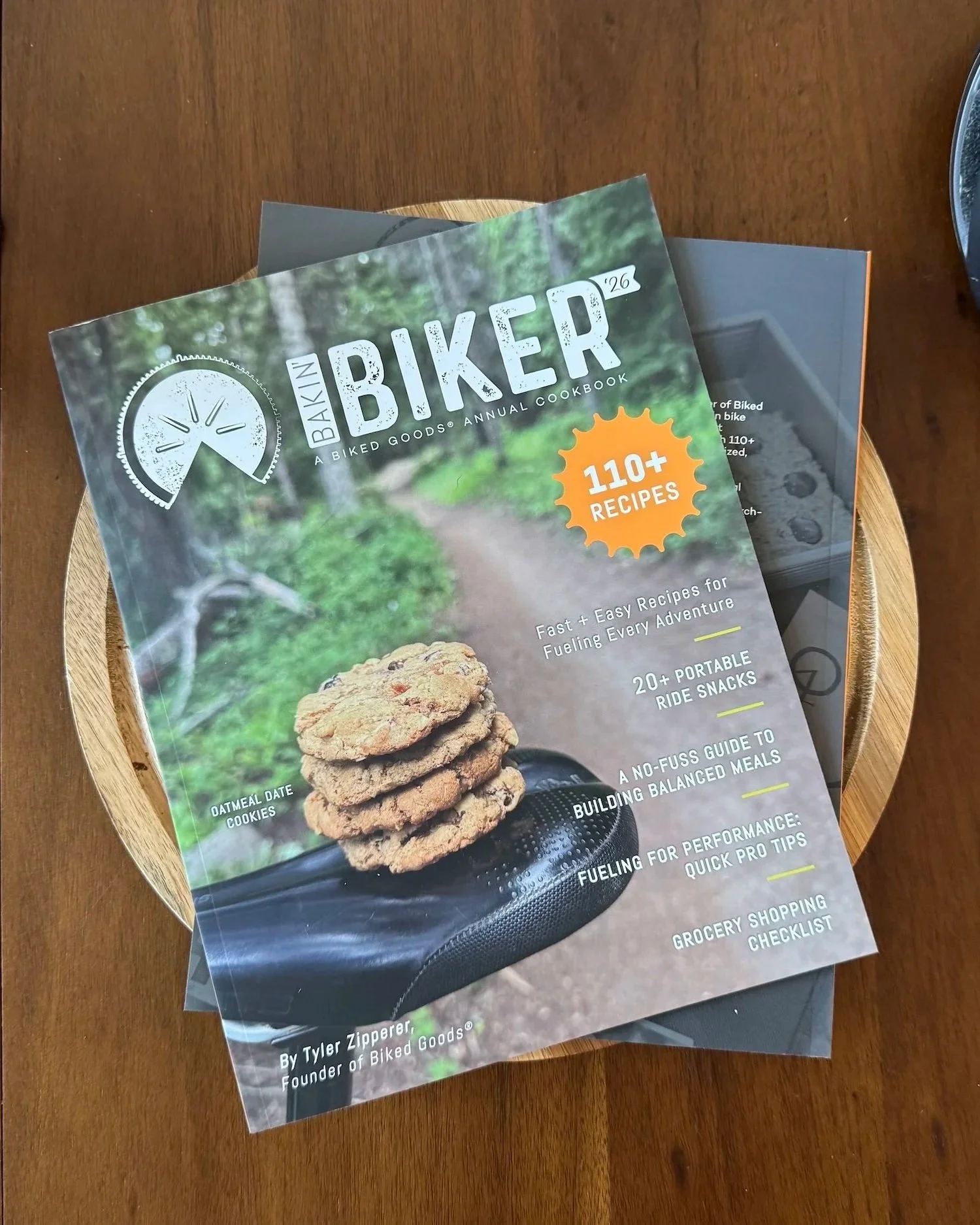
Fuel the ride of your life with Bakin’ Biker ’26. Tyler Zipperer, founder of Biked Goods®, certified nutrition coach, endurance cyclist, youth mountain bike coach, and father/husband, knows that adventure demands the right fuel—both on the bike and in everyday life.
This edition is packed with 110+ simple, packable, and nutrient-dense recipes that keep you energized, recover faster, and support long-term health.
From portable ride snacks like Sweet and Salty Rice Crispy Bars, Oatmeal Date Cookies, and Figgin’ Awesome Energy Bars, to grab-and-go snacks, weeknight dinners, and versatile staples like Seasonal Veggie Frittatas, Bircher Muesli, Perfect Pancakes, Summit Muffins, and Sustainable Power Bowls, these recipes are built for life in motion.
Bakin’ Biker ’26 reminds us that fuel isn’t just food—it’s family, community, purpose, and connection. Whether you’re tackling miles, cooking for your family, or embracing life’s adventures, this cookbook is your guide to staying nourished, inspired, and ready for the journey ahead—one bite at a time.
10% of cookbook sales are donated to help fund affordable, equitable nutrition and cycling programs for youth, especially those most in need.