Fueling for Cycling with Real Food: What to Eat, Why It Works, & How to Fuel Every Ride
Fueling for cycling doesn’t have to mean choking down gel after gel or forcing yourself to eat something you dread by hour three. Whether you’re heading out for a 90-minute workout or a 6+ hour endurance ride, knowing **what to eat on long bike rides—and how many carbs per hour you actually need—**can make or break your performance. For many cyclists, switching to real food for cycling nutrition is a game-changer.
In this cyclist’s guide to fueling with real food, you’ll learn how to match carb targets per hour to different ride lengths and intensities, how real food compares to gels and chews, and how to build a sustainable endurance fueling strategy for every type of ride—from early morning workouts to all-day adventures.
What Do I Mean by “Real Food?”
When I talk about real food for cycling, I’m referring to foods made from recognizable, whole ingredients—the kind you’d find in your kitchen or at the grocery store, not in a lab.
Real food is:
Minimally processed, nutrient-dense, and as close to its natural state as possible
Foods that come in whole form, are unrefined, or contain minimally refined ingredients.
You can easily recognize the ingredients and pronounce them.
At Biked Goods, we define real food as food that the body can easily recognize and use as fuel, designed to support performance and digestion.
Fueling isn’t just about hitting numbers—it’s about what you can eat, tolerate, and enjoy consistently.

Banana French Toast Cakes
Real Food vs. Gels and Chews: What Should You Choose?
This isn’t an “either/or” debate. It’s a context conversation.
Fueling choices depend on:
Ride intensity
Ride duration
Personal preference
Gut tolerance
Terrain (road vs. trail)
Gels, chews, and sports nutrition products absolutely have a place—especially for high-intensity efforts, racing, or short, very hard rides where rapid carbohydrate absorption matters most.
That said, real food tends to shine during longer, lower-to-moderate intensity rides, endurance training, bikepacking, and adventure riding. These are the rides where flavor, texture, and satisfaction matter just as much as carbohydrate content.
One reason real food often feels better on the gut is how the body responds to it. Real food typically contains more water, which can make it easier to digest and move through the digestive system. Just as importantly, when you eat real food, your body recognizes it as food. You salivate, enzymes are released, and digestion begins in the mouth—this is a natural, built-in system designed to help break food down efficiently.
Gels and chews don’t always trigger this same response. Because they’re highly processed and require little to no chewing, the body may not fully engage these early digestive processes. For some athletes—especially when consuming gel after gel—this can contribute to gut distress, bloating, nausea, or that heavy, unsettled feeling late in a ride.
This is also where I hear the most consistent feedback from athletes: many are simply sick of downing gels and chews. Riding frequently can lead to taste fatigue, digestive discomfort, and an aversion to overly sweet fuel.
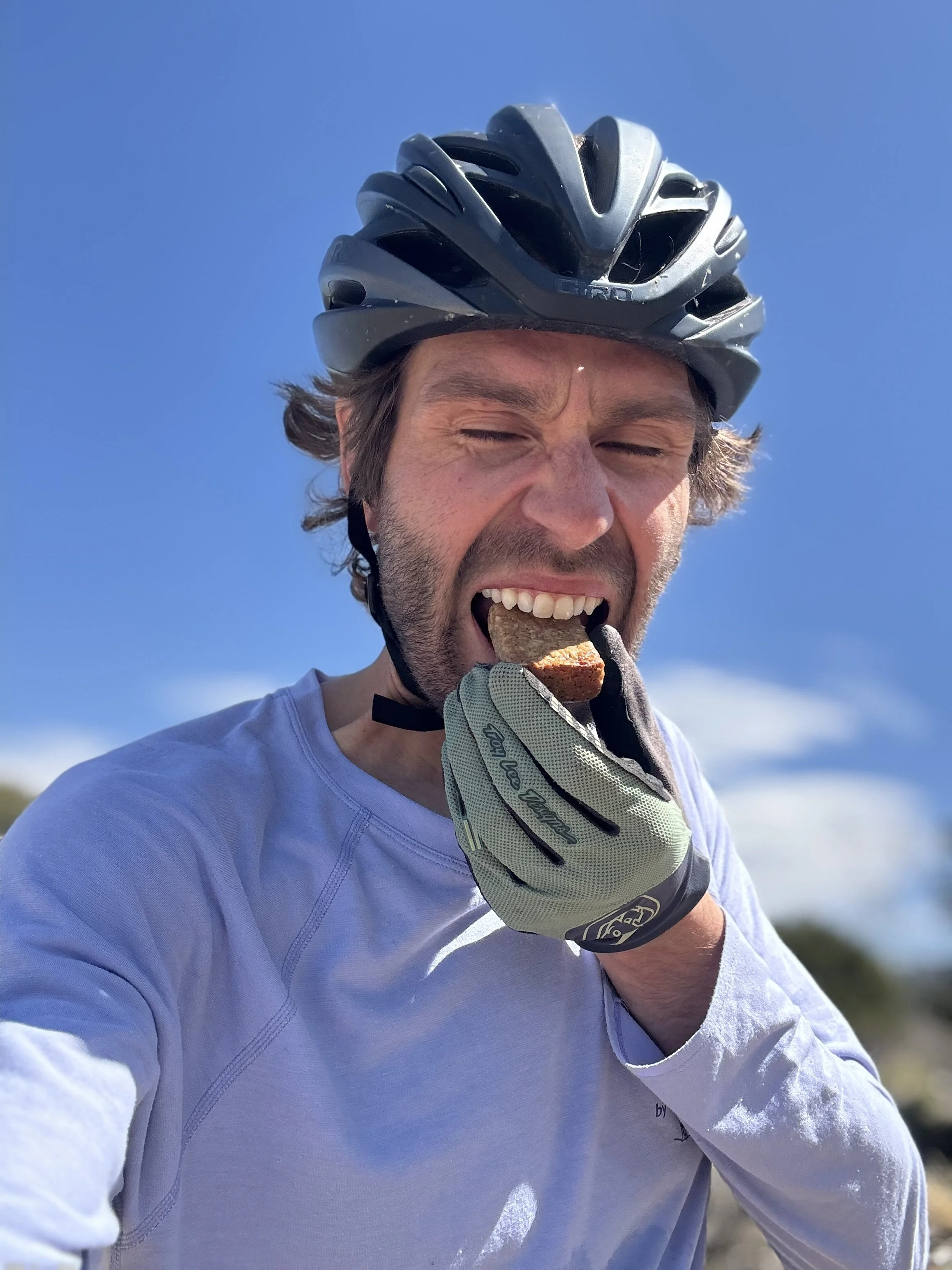
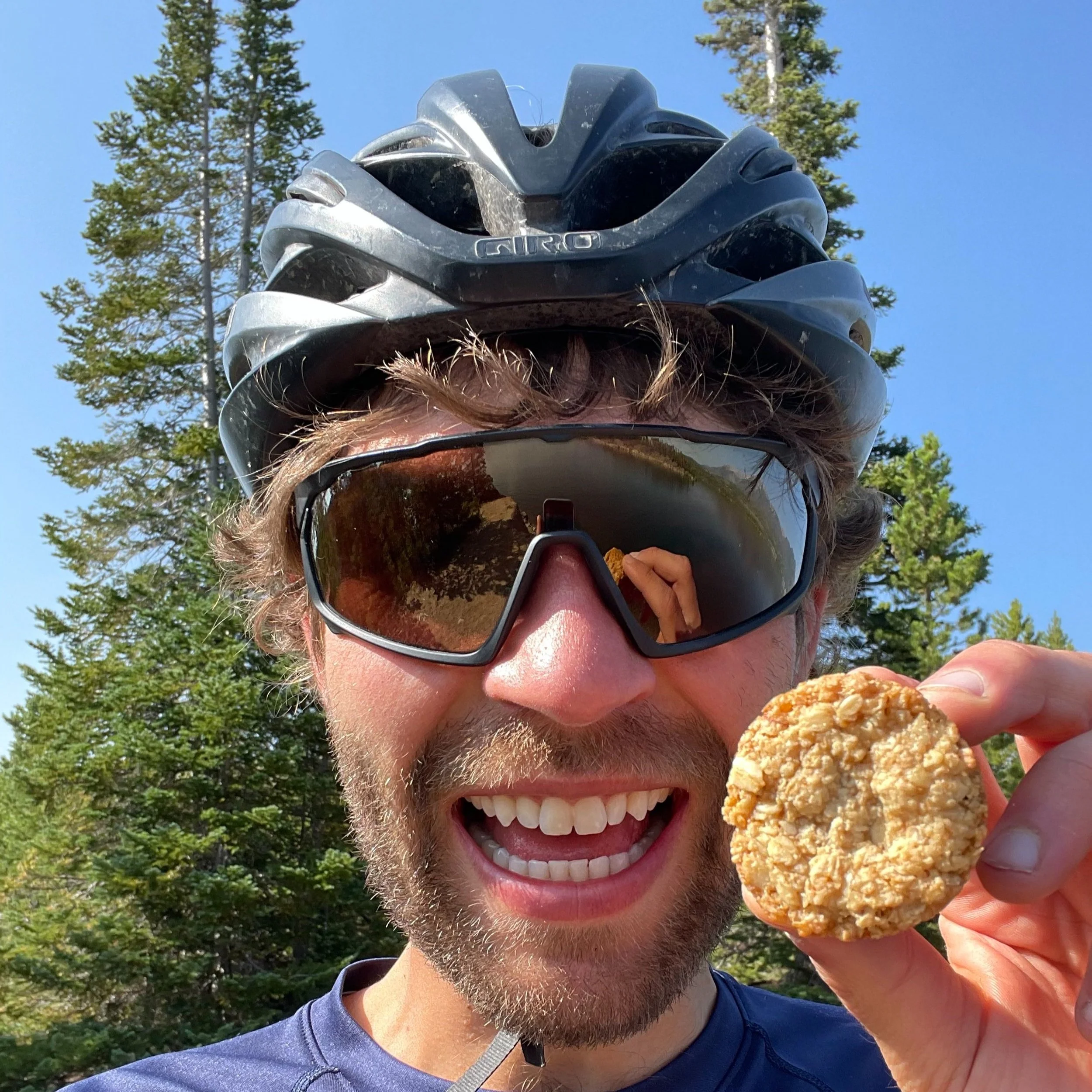
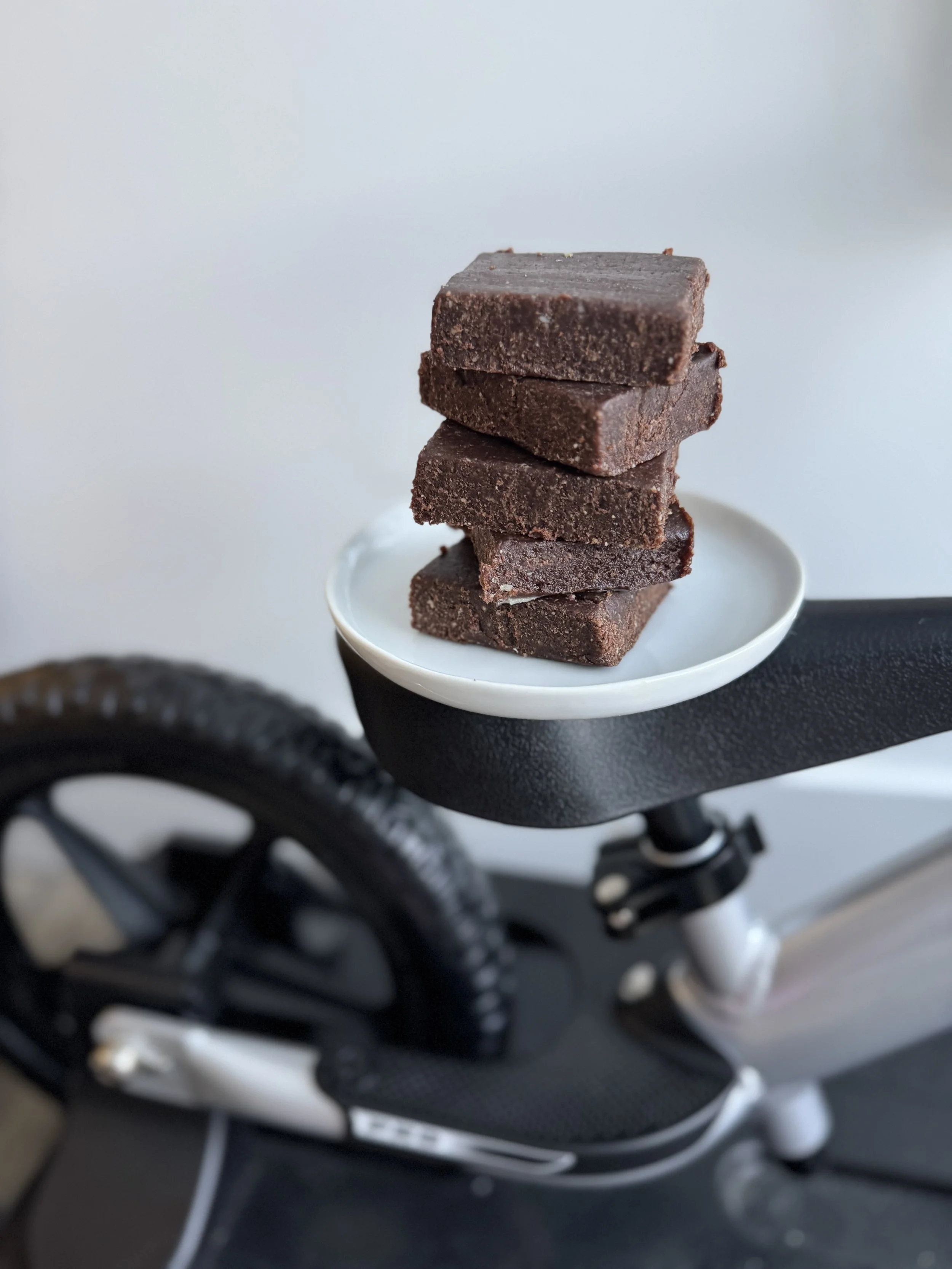
Real food offers an alternative that feels normal and sustainable. Some cyclists discover foods they’d never considered bringing on rides, while others find real food easier to digest or more affordable when making fuel at home. And yes—many athletes successfully use both real food and sports nutrition, depending on the demands of the ride.

5 Benefits of Fueling with Real Food
There are many reasons cyclists turn toward real food, but a few benefits consistently stand out.
Better digestion is often the first. Whole ingredients and simpler formulations tend to be easier on the gut, especially on longer rides.
Less taste fatigue is another major advantage. Eating a variety of textures and flavors helps prevent fueling from feeling like a chore.
More variety allows athletes to rotate sweet and savory options, improving consistency across long rides.
Cost effectiveness matters too. Homemade fuel is often significantly less expensive than relying exclusively on gels and chews.
Finally, long-term sustainability. Real food makes fueling feel enjoyable and normal—something you can stick with across seasons, not just on race day.
"While pre-packaged foods like bars, gels, and chews are convenient and tout performance, it’s important to realize that real food can work just as well if not better than engineered nutrition and is likely going to be easier to digest. As a general rule, sports nutrition should come from your kitchen, not just from a package. Take the time to prepare delicious, high-carb meals and snacks that you will look forward to eating." Dr. Allen Lim, Skratch Labs
Easy Real-Food Swaps for Gels and Chews
Many everyday foods provide carbohydrates just as effectively as gels and chews—without the packaging or artificial ingredients.
Simple, packable swaps include:
Bananas
Dates
Dried fruits, especially raisins
Salted potatoes
Small sandwiches
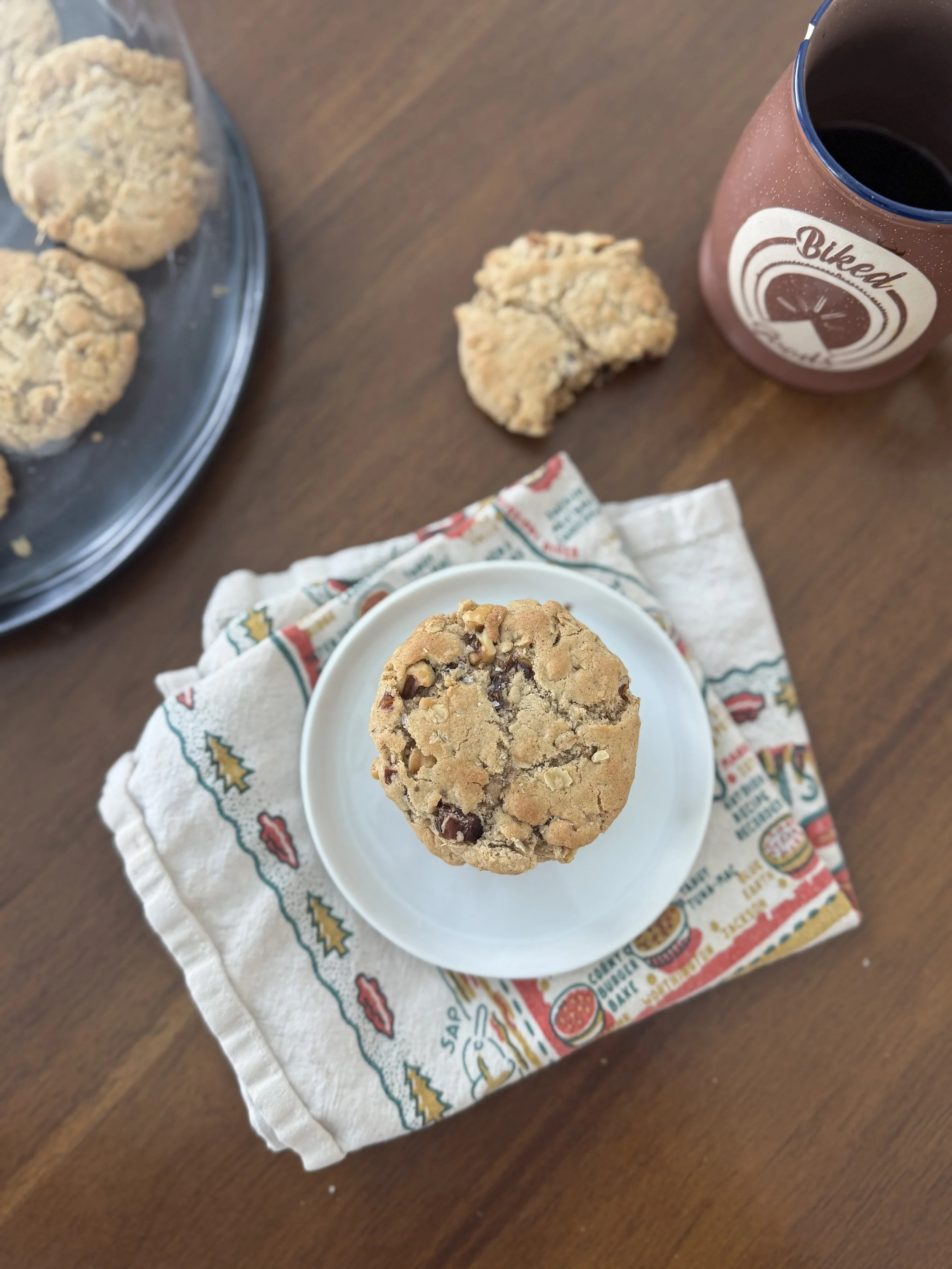
Cookies or baked goods
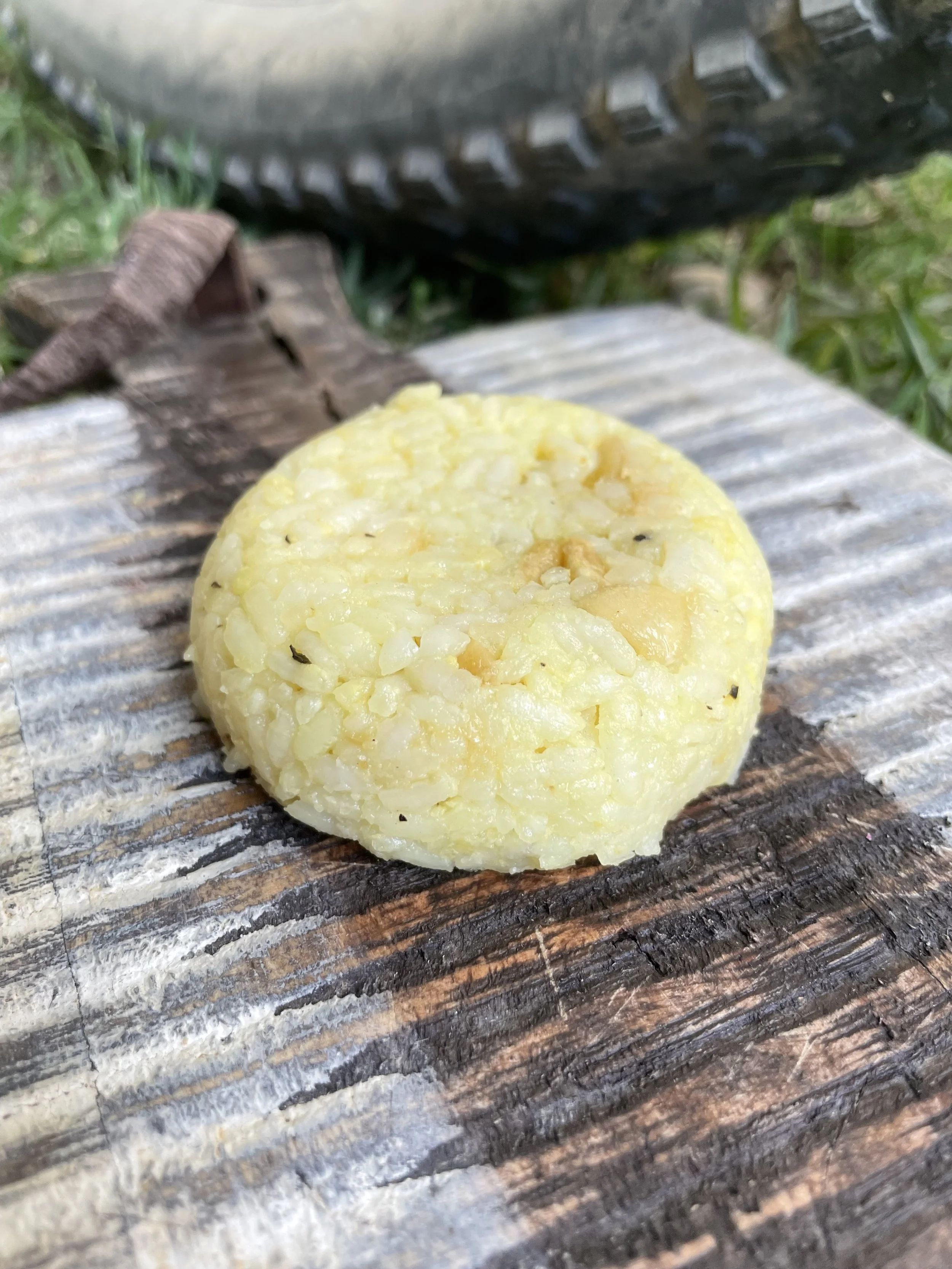
Rice cakes
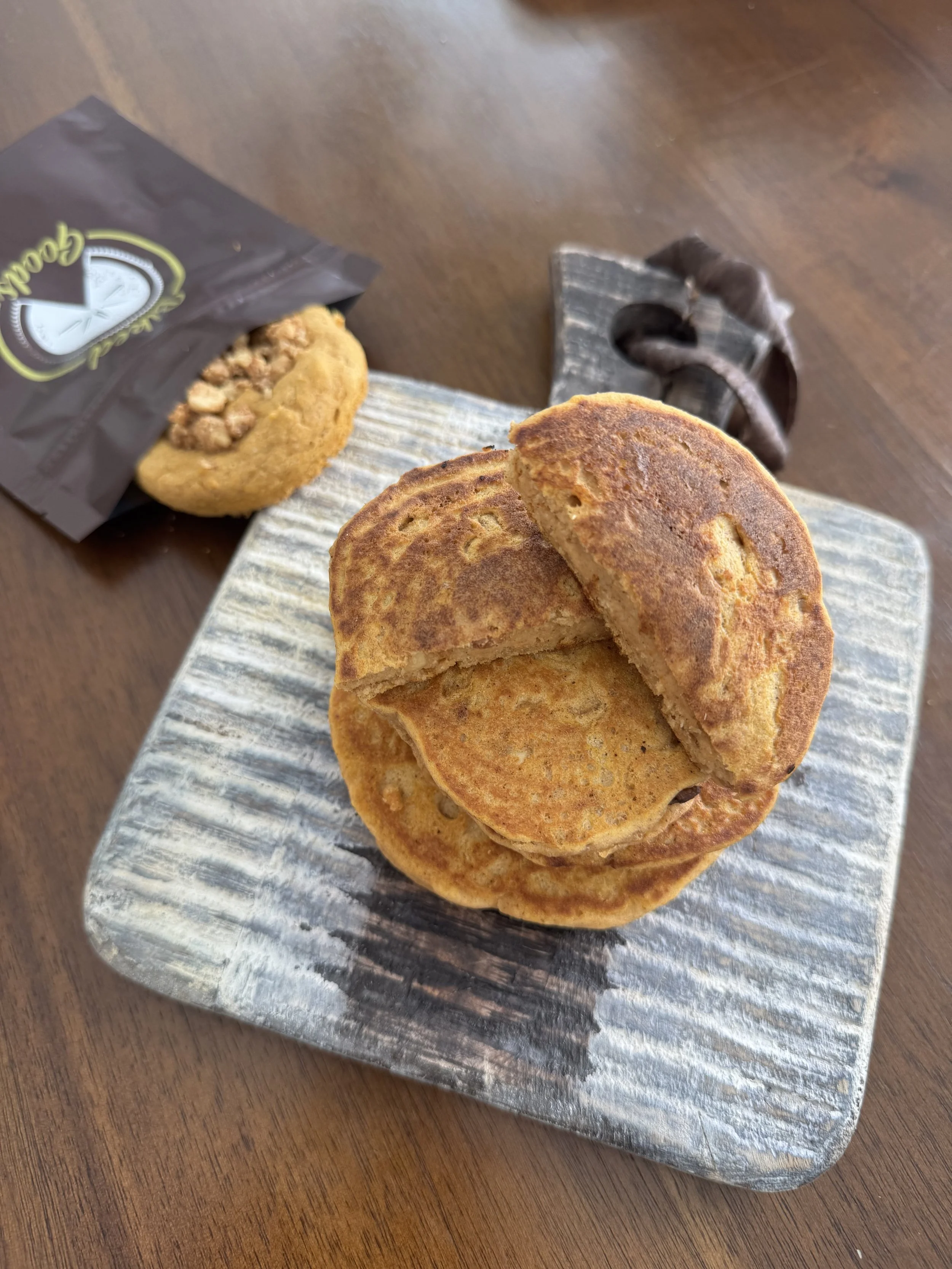
Pancakes or waffles
These foods deliver energy in familiar, satisfying ways and often feel better on the stomach over longer durations.
Read more: 15 Real-Food Alternatives to Energy Gels and Chews for Endurance Athletes



Fueling Rides of Every Type and Length with Real Food
One of the biggest advantages of real food is its flexibility. With a little planning, it can support nearly every type of ride—from short early starts to all-day efforts.
Fueling an Early Morning Ride
Early morning rides can be tough when appetite is low, and you don’t have a lot of time to eat. The goal is simple: easy-to-digest carbohydrates with minimal fiber and fat.
Carb target: Aim for 20-40 g of carbohydrates in the hour before your ride. This is enough to top off your glycogen stores without overloading your digestive system, which is especially important if you haven’t eaten for 8+ hours overnight.
Real food options that work well right before—or right as you start riding—include bananas, dates or homemade energy bites, a handful of raisins, small cookies, soft bars, or lightly salted potato bites. You don’t need a full meal—just enough energy to get moving.
Real food options that work well include:
Toast with date spread (recipe here)
A banana (roughly 25-30g carbs)
2-3 Medjool dates (20g carbs each)
¼ cup raisins (roughly 30g carbs)
A small cookie or soft bar (20-25g carbs)
Homemade energy bites (20-25g carbs)
If your ride is longer or higher intensity, you can start with a small pre-ride snack and continue fueling during the ride with the options listed for 1-3 hour rides. For very short spins (under an hour), you might even skip the pre-ride snack and rely on quick fuel mid-ride if needed.
Fueling 1-3 Hour Rides (Low Intensity)
Target: ~40-60 g carbohydrates per hour
For easier endurance rides, recovery spins, or conversational-pace days, energy needs are lower but still important. The goal is steady fueling without overdoing it.
Real food options that work well here include:
A banana or two per hour
Dates or date-based energy bars
Small cookies or baked homemade energy bars
Salted potatoes
Pancakes or waffles
Because intensity is lower, digestion is usually easier, making this a great place to lean heavily on real food.
Fueling 1-3 Hour Rides (Moderate to High Intensity)
Target: ~60-90 g carbohydrates per hour
As intensity increases, carbohydrate needs rise. Structured interval workouts, tempo rides, and harder group rides all fall into this category.
Real food options that work well include:
Soft bars or baked energy bites designed for performance
Rice cakes or rice crispy bars
Small sandwiches cut into quarters
Pancakes or waffles
Smaller portions eaten frequently tend to work best. Many athletes find a mix of real food and liquid carbs makes hitting the upper end of this range more manageable.
Fueling 3-6 Hour Rides (Any Intensity)
Target: ~60-90 g carbohydrates per hour (Aim to push closer to 90 g/hour, especially as intensity increases)
These rides require consistency and planning. Even at lower intensities, total energy needs add up quickly over time.
This is where real food truly shines:
Potatoes with salt
Small sandwiches or wraps
Baked bars, cookies, or savory options
Rice cakes or rice crispy bars
Date-based bars for quick energy
Pancakes or waffles
Real food paired with a carbohydrate-rich sports drink to help reach higher carbohydrate targets
Variety is critical here. Rotating flavors and textures helps prevent taste fatigue and keeps fueling enjoyment across long hours in the saddle. Mixing sweet and savory options helps prevent flavor fatigue and keeps fueling enjoyable. Potatoes, sandwiches, baked bars, cookies, and date-based snacks all work well here.
Think steady, frequent fueling rather than perfection. Eating something every 20-30 minutes adds up over the course of several hours.
Fueling 6+ Hour Extra-Long Endurance Efforts
For 6+ hour rides, aim for 70-90 g of carbohydrates per hour, adjusting based on intensity and terrain. Including 5-10 g of protein per hour can help manage hunger and make fueling feel more sustainable over long days in the saddle, especially when relying on real food.
Key strategies include:
Eat early and often
Include both sweet and savory foods
Choose foods that still sound good 5-8 hours in
Continue aiming for higher carbohydrate intake when intensity demands it
Pair food with a carbohydrate-rich sports drink
Eat 5-10g protein per hour to help manage hunger and muscle breakdown on very long rides.
Larger sandwiches, savory baked goods, potatoes, and more substantial baked items help meet energy needs while keeping fueling mentally and physically manageable.
This is where real food often becomes not just helpful—but essential.
6. Don’t Forget Hydration (Energy ≠ Hydration)
Fueling and hydration work together—but they are not the same thing.
Hydration needs depend on temperature, sweat rate, and ride duration. Sometimes water paired with real food is enough. Other times, especially during higher-intensity or hotter rides, carbohydrate-rich sports drinks can be extremely helpful.
The key is understanding when each tool makes sense and using them intentionally.
Real Food For Fueling Every Adventure
The best fuel is the fuel you can eat consistently.
Real food makes fueling more enjoyable, more affordable, and more sustainable over the long term. There’s room for both real food and sports nutrition products—but real food often fills the gaps that gels and chews can’t.
If you’re ready to bring more real food into your fueling strategy, the Bakin’ Biker ’26 Cookbook is loaded with 110+ real food recipes designed to fuel rides of every length—from quick morning spins to long adventure days. It’s built to help you eat well, fuel consistently, and spend less time stressing about what to eat on the bike.
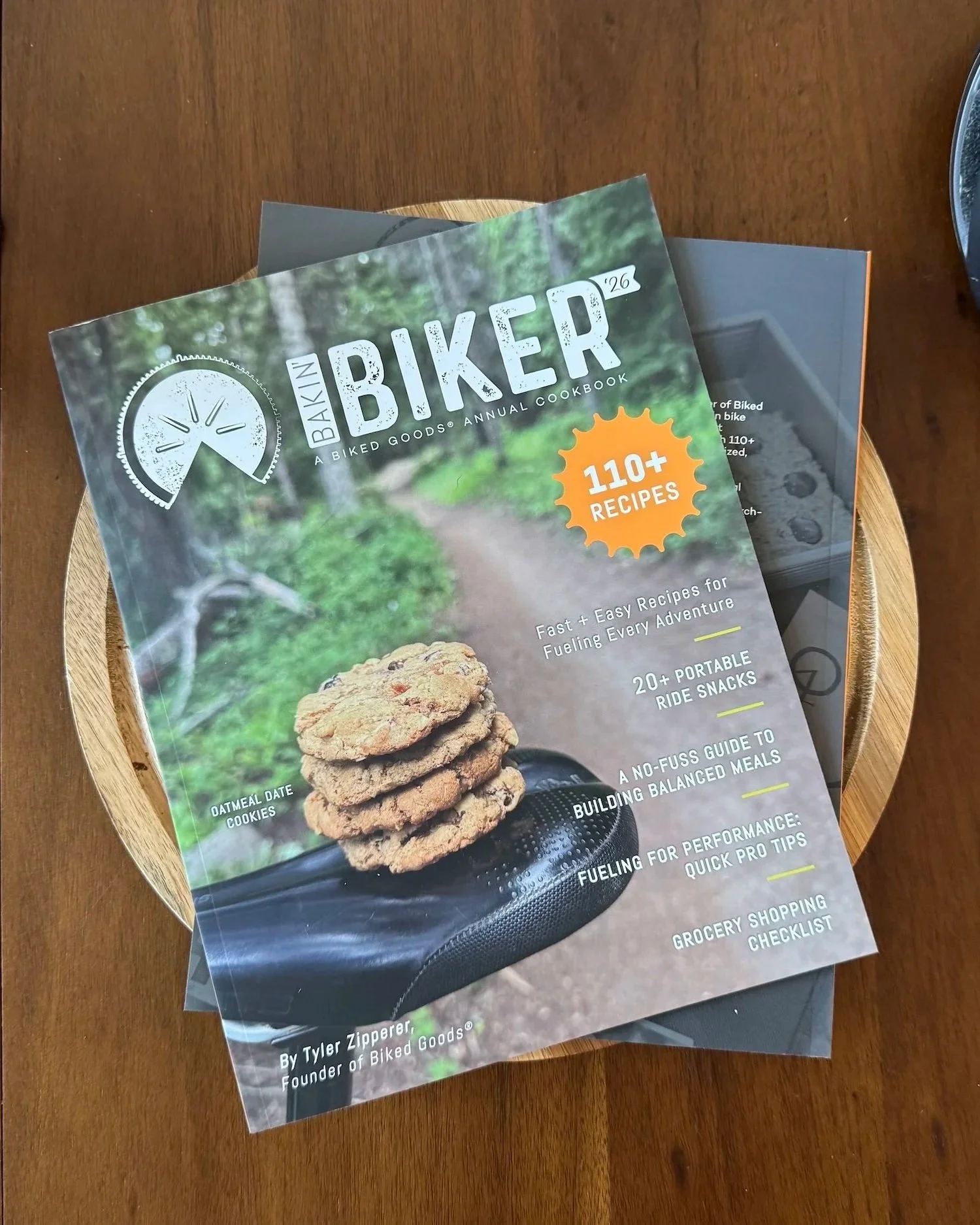
Fuel the ride of your life with Bakin’ Biker ’26. Tyler Zipperer, founder of Biked Goods®, certified nutrition coach, endurance cyclist, youth mountain bike coach, and father/husband, knows that adventure demands the right fuel—both on the bike and in everyday life.
This edition is packed with 110+ simple, packable, and nutrient-dense recipes that keep you energized, recover faster, and support long-term health.
From portable ride snacks like Sweet and Salty Rice Crispy Bars, Oatmeal Date Cookies, and Figgin’ Awesome Energy Bars, to grab-and-go snacks, weeknight dinners, and versatile staples like Seasonal Veggie Frittatas, Bircher Muesli, Perfect Pancakes, Summit Muffins, and Sustainable Power Bowls, these recipes are built for life in motion.
Bakin’ Biker ’26 reminds us that fuel isn’t just food—it’s family, community, purpose, and connection. Whether you’re tackling miles, cooking for your family, or embracing life’s adventures, this cookbook is your guide to staying nourished, inspired, and ready for the journey ahead—one bite at a time.
10% of cookbook sales are donated to help fund affordable, equitable nutrition and cycling programs for youth, especially those most in need.